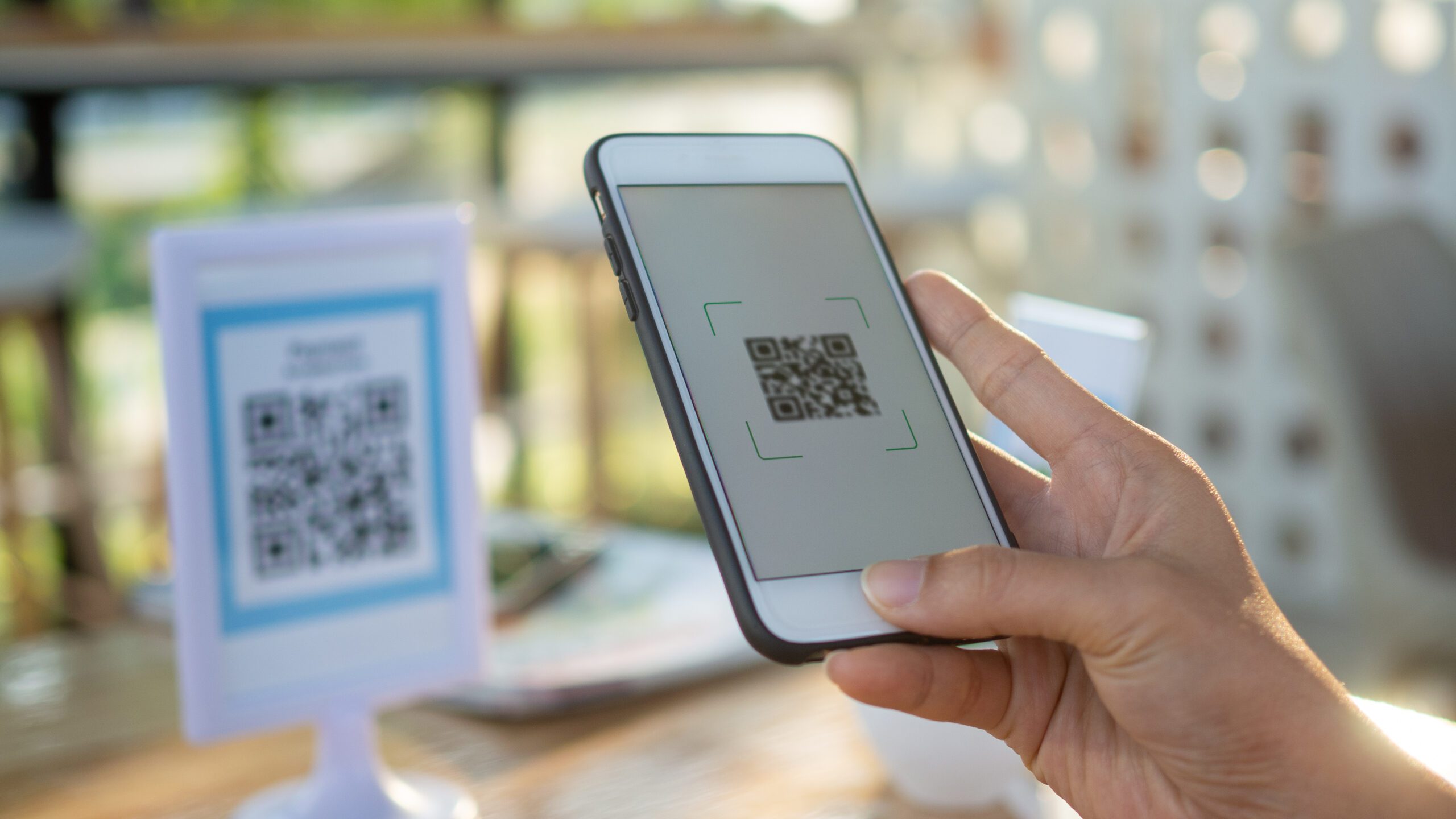
The QR Code, or quick response code, is a brilliant invention that has made life easier for many people. It allows you to scan barcodes with your smartphone, which can then take you to websites or other information on the internet.
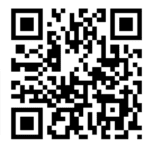
Here is a QR code example for Wikipedia.
The QR code has the additional benefit of being capable of storing far more information than traditional barcodes, since it may be read in both horizontal and vertical directions at the same time. You may have seen them on product labels, public transport stations, or airports. We see them more and more at restaurants because of the effort to go contactless due to the ongoing coronavirus pandemic. Not to mention as a means to enter events and board transport, since QR codes are replacing paper tickets at an increasing rate.
As QR codes are popping up everywhere these days, so are scams involving them. Whatever new technology arises, fraudsters will find a way to expose a weakness and try to capitalize on it. It’s important to know how to protect yourself from these scams to keep your finances and personal data safe!
Be aware of fake QR codes. Fraudsters can create fake QR codes that look very similar to the real thing, but when scanned, will take you to a malicious website or download. These scams are designed and hidden behind supposed special offers, account alerts, fake internet access points, or even alleged parking tickets. When you scan the code, you’ll be asked to enter your personal information such as your name, address, phone number or credit card number, which is when your data could get compromised or phone infected with malware.
QR Code Safety Tips
Here are a few tips to protect yourself from QR code scams.
Don’t scan any QR codes you don’t trust.
If it looks suspicious, it probably is. That random QR code on a napkin dispenser, flyer in a bar bathroom, or on a street sign, probably a good idea to avoid it and not scan.
Be aware of fake or altered barcodes on products or in public spaces.
Public transport stations, such as bus stops, are rarely monitored and can be tampered with or covered with a fake QR code. Carefully inspect codes before scanning to make sure they are the real thing!
Verify the website after scanning.
Make sure the website that opens when you scan the QR code is legitimate and safe. Do a quick Google search to see if there are any warnings or concerns about it before entering any contact information.
Verify before downloading anything.
Before downloading an app or anything from a QR code, check the website address (URL) to make sure it’s legit and not trying to install malware on your phone or phish your information.
Don’t pay by QR code.
Avoid using a QR code to pay a bill, such as on a parking ticket or letter received in the mail. Go to the official website to verify the bill received is valid and pay directly there.
Beware of suspicious emails with QR codes.
Don’t use your phone to scan QR codes attached to suspicious emails. This is another way fraudsters attempt to steal for your information: trying to make a phishing email look official by including a QR code. If you wouldn’t click the link, don’t scan the code.
Keep your devices updated.
Keep your phone and antivirus software up to date so that you have the latest security features to protect yourself from malware or potentially exposed security flaws.
Use a QR scanner app with built-in security features.
Some antivirus companies have QR scanner apps that protect against malware and phishing scams by checking the safety of a link before you open it.
There When You Need Us
We all love technology, but these tips are here to help keep us safe when using tech tools like QR codes. Stay educated on how they work to protect yourself from common scams like these. If you have questions about options for safe and secure banking, contact us today.
All the facts you’ll need to avoid fraud are included in our comprehensive Cybersecurity Awareness collection of articles and tools.