When it comes to our finances, we all want to stay safe and protected. Credit card fraud is a serious issue, and it’s something that we should all be aware of. In this blog post, we’ll discuss some tips for protecting yourself from credit card fraud. We’ll also talk about the different types of credit card fraud and what you can do to avoid them. So, if you’re interested in learning more about credit card fraud, keep reading!
The Impacts of Credit Card Fraud
 Credit card fraud is a very serious issue in the United States with over $7.2 billion lost in 2012 (Federal Bureau of Investigation). Credit and debit cards are an important part of most Americans’ lives, but unfortunately they do not come without risk. When using credit or debit cards, you assume responsibility for any charges placed on your account and the accounts of anyone else who might be making purchases with your card. Credit card fraud is frequently linked to identity theft, in which offenders use your identification information (birthdate, social security number, etc.) to establish new credit card accounts under your name.
Credit card fraud is unfortunately very common today, but the consequences of it are often not well known. Credit card issuers don’t always have clear guidelines on how they deal with fraudulent charges either, so its best to be informed beforehand.
When you lose possession of your credit card or someone steals it from you or out of your sight, then you are at risk of having someone run up the card without your permission. There is no limit to what they can purchase or how much of it they can purchase, which makes this type of fraud very dangerous. This can have a significant influence on your credit report and take a long time (and money) to repair.
Unfortunately, it is becoming more and more common for credit card information to be stolen and used by criminals.
Understand How Credit Card Fraud Works
Credit card fraud is the utilization of a stolen credit card to make purchases or withdraw money with no intention of paying back. In order to avoid being a victim, it’s important that you understand how credit card fraud works and how it can be prevented.
There are many types of scams that exist today; we will explore some of these scams and the ways that they occur.
Some of these scams can be prevented by understanding what’s going on and taking steps to protect yourself, while others involve stealing information and cannot truly be prevented.
Stolen Card Information
One of the most common types of credit card fraud occurs when someone steals your card number and uses it to make purchases. This is very easy for con artists because all they need is your credit card number, expiration date, and security code.
The Cardswap Scam
A “cardswap” is where the scammer will say that they are having trouble trying to login on their end and need access to your account information for verification. This way, you give them access to everything they need to transfer the money in your account to their own.
The “Clipped Card” Scam
This happens when you hand over your credit card to pay, but the cashier isn’t paying attention and swipes it through twice. This is very difficult to catch on film, so even though you may not notice, the scammers might get access to your account.
The Cashier Scam
The cashier will tell you that you have to swipe your card again, or that there is a “hold” on it for more money than the purchase price. Then they’ll swipe it twice too and take off with however much money was in your account. They may even swipe it through their phone if you’re not paying attention.
How to Protect Yourself from Credit Card Fraud
There are several simple measures you may take to avoid becoming a victim of credit card fraud.
Use Strong Passwords
 It’s much easier to steal someone’s credit card information than ever before with all the hacking and technologies available. But there are ways you can protect yourself from fraud so you don’t have to worry. One way is to use strong passwords in important areas such as email, online banking and other personal accounts.
Tips for Choosing a Strong Password
- Make a combination of letters and numbers.
- Mix in uppercase, lowercase, symbols and numbers.
- The longer the password, the better.
- Use different passwords for all your accounts. That way you don’t have to remember them all if one is compromised so you can change it right away.
Monitor your account activity regularly
Many individuals use credit cards very regularly, but don’t closely monitor their account activity. Without checking in on your card, you might not notice when someone has made unauthorized purchases or broken the terms of your agreement. This puts you at risk for serious financial trouble.
The best way to protect yourself is by monitoring your account activity regularly. By doing this, you’ll be able to identify suspicious activity before it’s too late.
Credit card transactions can be monitored in several ways. The easiest way is through online banking accounts because you have access to all of your transactions at once. You can simply log onto your bank account and see all of your charges. Some banks even have mobile banking, so you can monitor the transactions on your phone if you’re away from a computer.
Another way to monitor credit card account is by reviewing your monthly statements. You will receive a bill every month that details every purchase you made. Instead of waiting for this bill to come in the mail, you can save yourself a little time by signing up for paperless billing. Paperless bills are sent right to your email address and give you access to all the information that would be listed on a statement.
The last way to monitor credit card activity is by using a credit monitoring service. These services will provide you with your current credit score, past credit performance, and monitor any suspicious activity that may occur. Monitoring services can be beneficial if you don’t have time to monitor your account yourself because they are always watching over it for you!
Guard Your Personal Information Carefully
Credit card companies get hacked all the time, but not all of them are significant enough to make national news. However, you should still be wary of where your personal information goes. The wrong person could end up with access to your credit card company account and then commit credit card fraud using it.
There are a few things you can do to protect yourself from this kind of activity.
Register your credit card information on file with the company. By doing so, they will send you a confirmation email every time someone tries to use it. If the first thing you see isn’t an email about buying groceries or iPhones, it’s probably not you making the purchase. But if anything suspicious does come up, you can call your credit card company and ask them to confirm if that purchase was legitimate.
 Complete your transactions in a secure environment. This includes shopping malls and public Wi-Fi networks, both of which can be monitored by fraudsters looking for easy targets.
Use secured online payment platforms like PayPal and Apple Pay. These provide a more secure way of completing transactions online, and they also require you to verify your identity before completing any transaction.
Beware of Phishing and Smishing Scams
Some of the newest cons include fraudulent email and text message campaigns that attempt to acquire your personal and financial information. Both of these scams are doing the rounds at present, and it’s very important you know how to avoid them.
Phishing Scams (Email Scams)
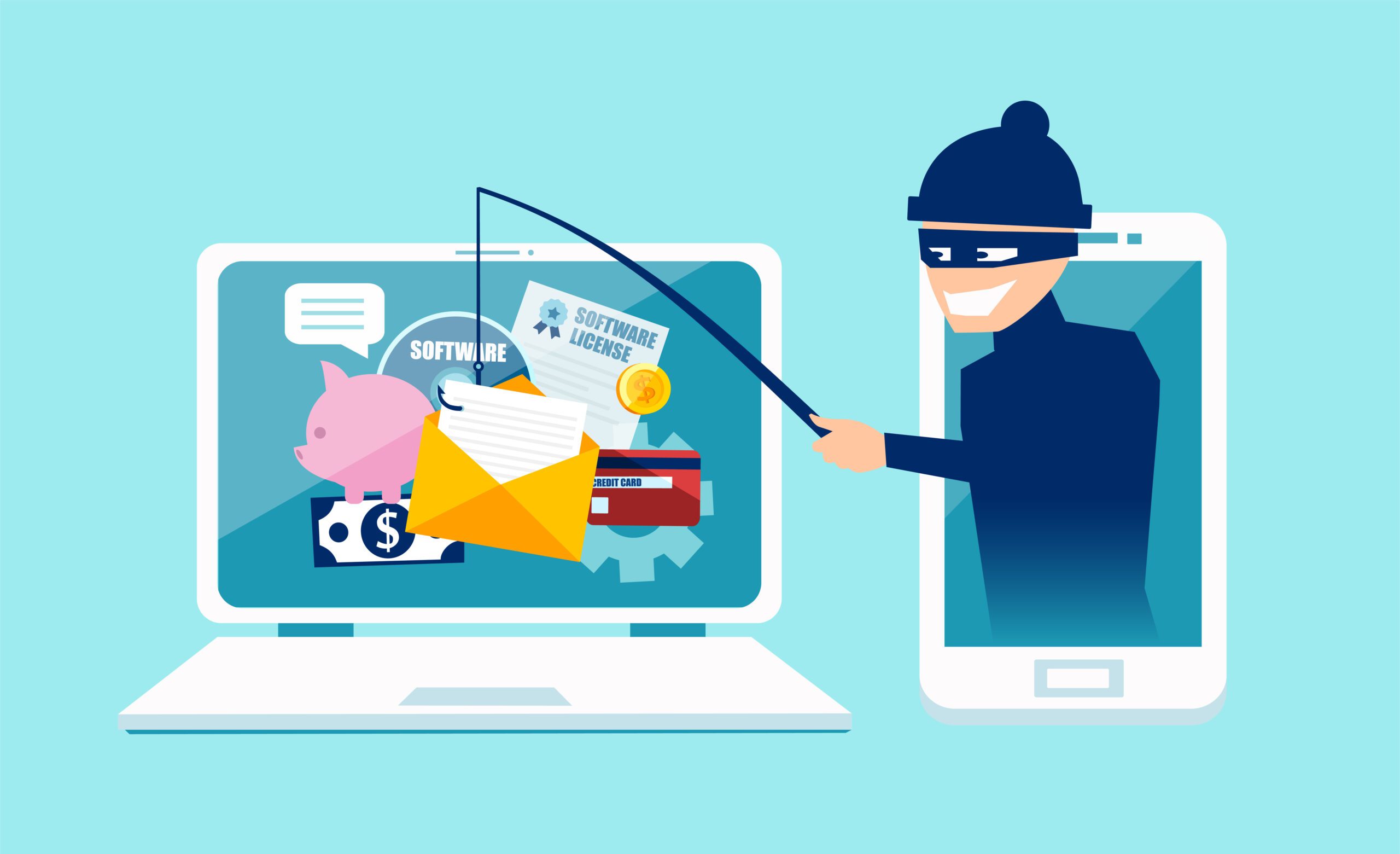
This type of scam is potentially dangerous because they involve tricking you into giving out your personal information by posing as a credible institution or official body. The email will seem genuine, but under further scrutiny, you will notice that it is not.
Be suspicious of any email claiming to be from a bank, asking for your account details or password as these are the building blocks of a phishing scam. If you receive one, under no circumstance should you click on any links in the email as this may install viruses and spyware onto your computer.
Do not respond to the email or call any phone numbers listed in it. They may seem like they’re only asking for your information, but if you give out this information, you’re putting yourself at risk of identity theft.
If you think that an email of this nature has reached you by mistake, simply delete it and be cautious about which emails you open in the future.
Smishing Scams (Texting Scams)
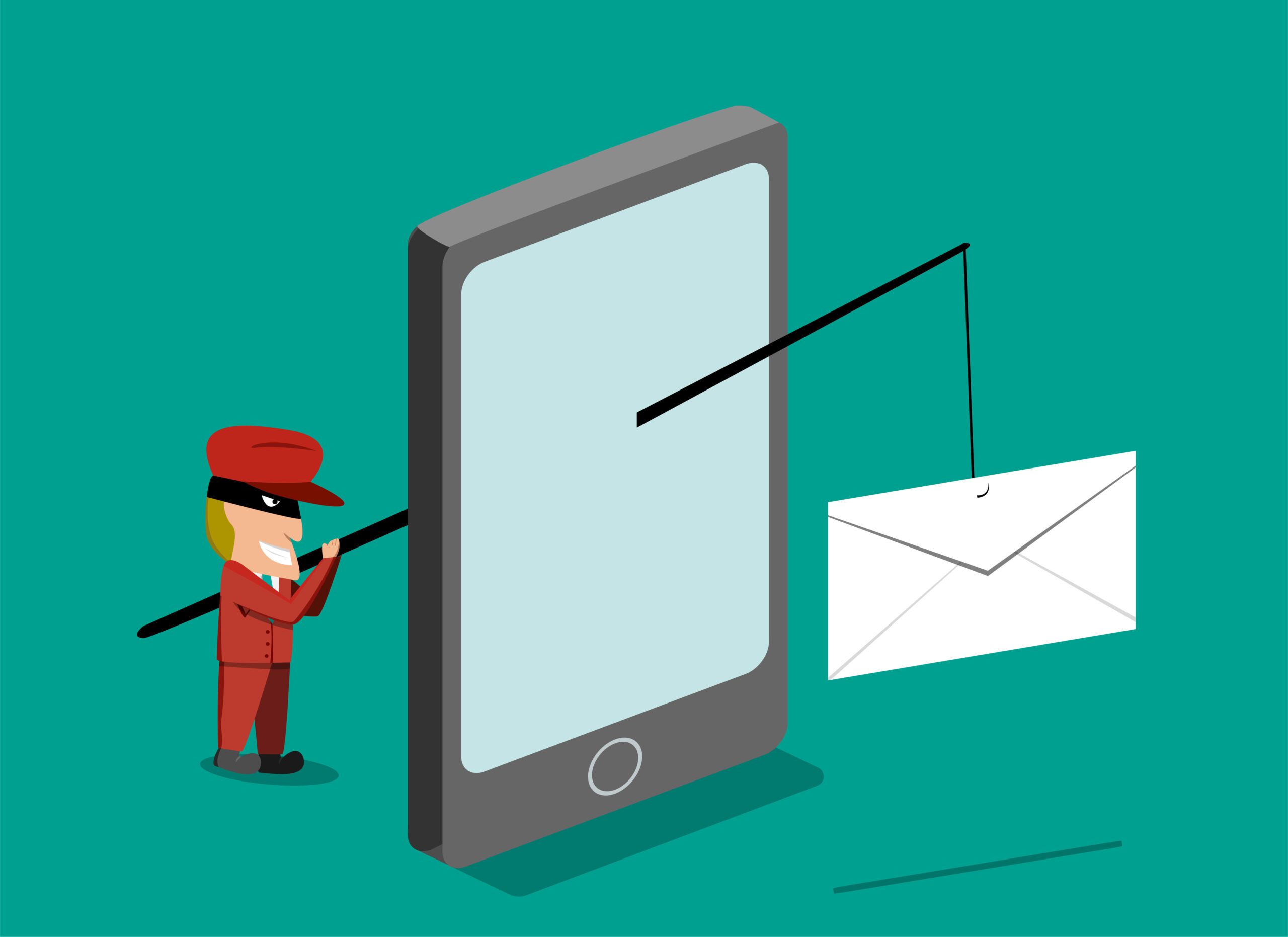
As smishing scams are not as common as phishing scams, they’re often overlooked. However, you should be aware of them nonetheless.
Smishing involves the scammer sending you a text message requesting personal information. These are normally sent from a spoofed phone number, which will appear as if it’s your bank or another financial institution. The body of the text will ask you to provide sensitive information for security reasons.
Do not respond to any smishing texts that ask for this information. If you’re unsure whether or not it’s a scam, call the phone number on your statement to check if it’s genuine.
Report Any Suspicious Activity Immediately
When you notice something strange, don’t put it off. Report the activity immediately to minimize how much damage can be done. If possible, call the number on the back of your credit card, not one provided in an email or over the phone by a stranger. This way you know you are calling your financial institution and they will be able to better assist you.
Be sure to get a case number and be ready with any information you can provide, such as dates, times, descriptions of people involved and what they said while taking the card or trying to make purchases. This information will help law enforcement identify and arrest the criminals.
Keep a Copy of Your Credit Card Statement for Reference
Keeping copies of your credit card statement for reference is just one way that you can protect yourself from credit card fraud. While it may seem like a waste of paper, if you have everything filed electronically, there are many benefits to keeping the actual paper copy instead.
For example, when you make an online purchase, if there is a question about the purchase, you will need to provide copies of your statement. This makes it easy for everyone to look at what you actually purchased instead of trying to figure out where the money was spent. It also provides proof that you are not misusing your credit card information.
It also helps with identifying fraudulent activity on your account. If a thief steals your credit card or gets a hold of your number, you want to make sure that the purchases made with it are legitimate ones. Since they will most likely be small purchases from places you don’t usually shop, having a copy of the statement makes it easy to find these questionable charges and report them as fraud.
Additional Resources on Credit Card Fraud Prevention
Now that you know how to protect yourself and your credit card from fraud, there are also some other resources available.
- Check with your credit card company for help and services to help you keep track of and secure your money.
- Review information and resources provided by any of the three major credit reporting agencies; Experian, Equifax, and TransUnion.
- Finally, use the FTC’s Free Credit Report resource to learn how to obtain your free annual credit reports and why it is important.
These credit card fraud protection tactics and resources will help you confidently use your credit cards and prevent credit card fraud from invading your life.
There When You Need Us
Contact one of our knowledgeable Business Bankers immediately if you want to learn how to safeguard your company credit information, including secure transactions and payment processing services.
All the facts you’ll need to avoid fraud are included in our comprehensive Cybersecurity Awareness collection of articles and tools.