In the first three quarters of the year, retail firms generally break even on investments. The fourth quarter, especially during the holidays, is when they may make a profit...or not. It’s a key time for them.
The holiday shopping season begins in October, which means that fraudsters are particularly active during this time, attempting to steal from businesses that may not be aware of how criminals operate. Here are some pointers for ensuring the safety of your business throughout the holidays.
Take Steps to Prevent Shoplifting
Small businesses are increasingly at risk for shoplifting during the holiday season. There are many preventative measures you can take to protect your business.
Large chain stores have systems of security cameras, door alarms, ID scanners, and personnel watching the exits. Smaller stores may not have this kind of expensive equipment or manpower or even all of it. You can still take steps to protect your business from theft by encouraging good customer behavior that will discourage shoplifters.
Closely monitor employees who work alone, especially cashiers. Make sure they know how vital their role is in preventing theft by being observant and aware of suspicious customers and situations. If working alone isn’t possible, consider hiring an extra person just for those days when business will be at its height.
Train all employees to watch for suspicious people in the store, not just thieves. A thief can be anyone from a legitimate customer with sticky fingers to an innocent-looking child who likes candy and has no money. Even if they don’t steal anything, suspicious-acting individuals may provide information that will help you catch actual thieves.
People often assume that shoplifters are middle school or high school age; however, adults can also take advantage of busy store conditions and grab items and run before anyone notices.
Be aware of how much merchandise is on display and monitor displays constantly. Shoppers often ask salespeople where different items are located in the store; this should alert you to potential loss. Burglars sometimes case the joint before breaking in, so if you’re watching carefully they may get spooked and give up.
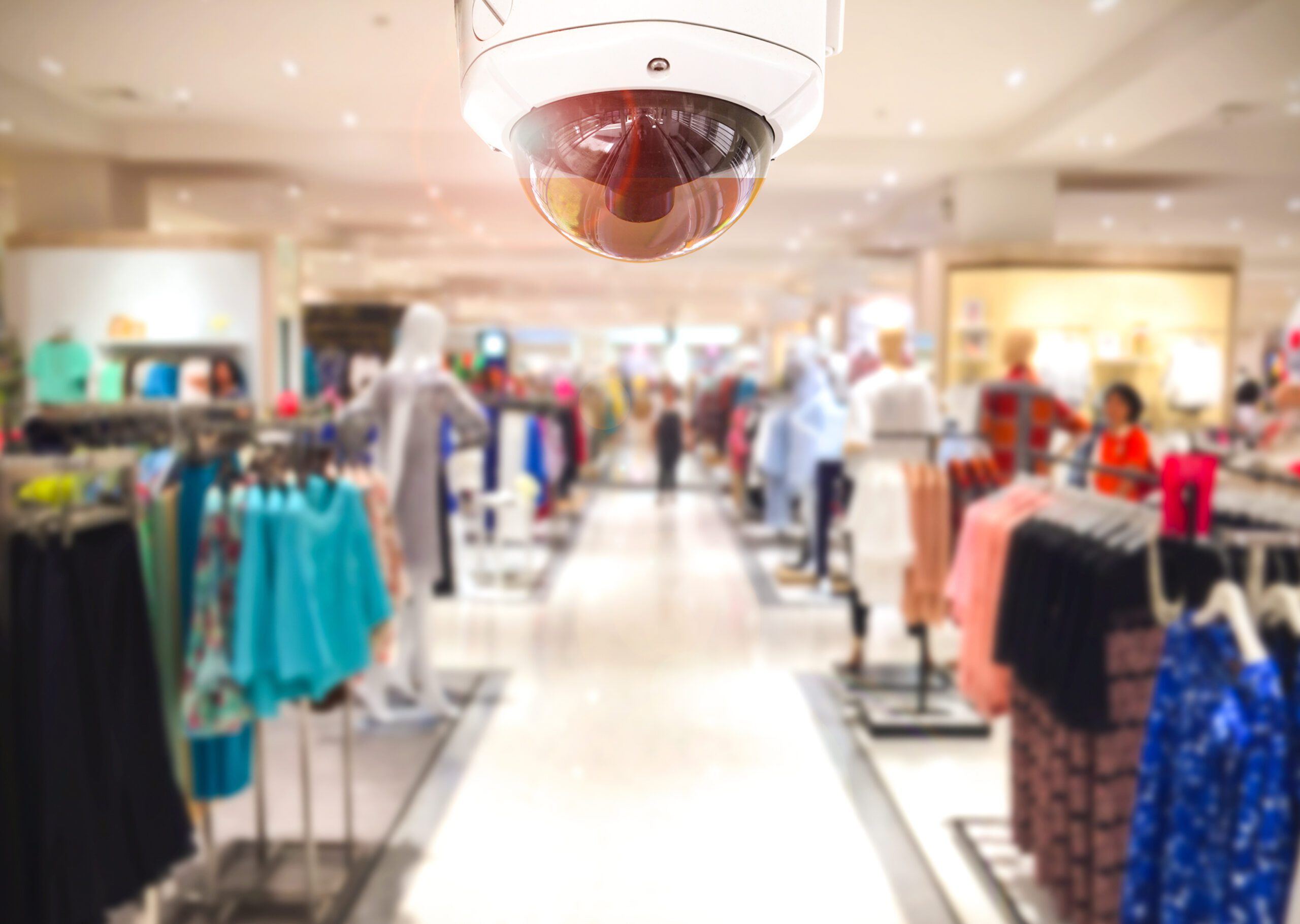
If theft is a problem in your area, installing security cameras or alarms can be an effective preventative measure. If you do install equipment like this, make sure it’s out of sight but still able to capture images. Don’t assume would-be thieves will know whether your store has security equipment; the possibility of getting caught may stop them from taking the risk.
Put any expensive items behind locked counters. This will require shoppers to ask for assistance, which exposes them to observation by salespeople and prevents impulse thefts when no one is looking. It also gives sales staff an opportunity to watch the shopper more closely, since they’ll have to wait for the item to be retrieved.
Don’t keep valuable merchandise near entrances or exits where someone could reach it easily through a window or door; use cases or locked glass cabinets instead.
Make sure your website is secure.
When entering credit card information online—whether you have a physical storefront or not—it should be clear that customers are safe and their information will be encrypted while being transmitted over the Internet.
If a customer’s browser indicates that there’s no encryption (i.e., “http” instead of “https“) it is best not to complete the transaction because these websites may not be who they appear to be; criminals can set up dummy sites with URLs similar to your legitimate site in order to bait potential victims.
Check to see whether your website (or e-commerce site) is secure and displays “https” in the browser. You can secure your website by getting a certificate from an online security agency. Most website hosting services offer a free SSL option.
Keep an eye out for red flags in credit card transactions.
If billing and shipping addresses are different, or if a purchase looks suspicious—with several small identical items each listed at a very low price—the transaction should be flagged. Criminals use stolen cards in bulk to make these “basket” purchases in hopes that they will go undetected in large amounts.
Also, look out for multiple transactions from one computer or IP address within a short amount of time; because criminals don’t want to arouse suspicion, they might make several transactions from different computers or networks.
Watch out for fake websites and social media accounts.
Criminals may also create fake sites and social media pages with similar names as your company. They will then attempt to get people who are following their page to click on dubious links or download malware—which can result in identity theft or data loss if they fall for it. For example, “www.amazon.com” is different than “www.amazon-australia.” Just because the name looks very similar doesn’t mean it’s the real thing.
You can report website or social media fraud with the FTC here.
Protect your account credentials.
Your password should be secure and never shared with anyone else—especially in emails or on social media accounts that can be accessed by others. Using a long password or passphrase with a combination of letters, numbers and special characters is always best. Passwords should also be changed frequently.
Prevent Business Check Fraud
As the holiday shopping season begins, criminals move into high gear, stealing your money and putting your business at risk. This year’s ramped up fraud levels could be fueled by the lackluster economy and the popularity of online shopping.
Check fraud occurs when a dishonest customer or an unscrupulous employee tries to get access to your accounts payable system and steal funds through forging or altering checks. The result is that you can end up paying for purchases you didn’t make or lose money when deposited items are returned as unpaid. In worst-case scenarios, forged checks themselves may bounce, causing you to pay hefty overdraft fees in addition to being out any lost funds from the transaction.
The easiest approach to avoid check fraud is to prevent it from happening in the first place. A service like Positive Pay from Home Bank of California can help your company minimize costs and prevent fraud activity.
Consider alternative payment acceptance methods like PayPal or Apple Pay.
Consider using an alternate payment method like PayPal or Apple Pay when selling online during the holidays so criminals can’t use stolen credit card numbers for purchases—and if they do, you’ll immediately get reimbursed. If you are currently using PayPal, be sure to only accept payments from people that are confirmed as being who they say they are. If you accept PayPal, make sure you’ve enabled their security features and verified the legitimacy of the account.
There When You Need Us
The holiday season is a great time for your business to succeed, but only if you take the right measures beforehand. Contact one of our business bankers now to learn more about how we may assist your company in growing and succeeding.
All the facts you’ll need to avoid fraud are included in our comprehensive Cybersecurity Awareness collection of articles and tools.