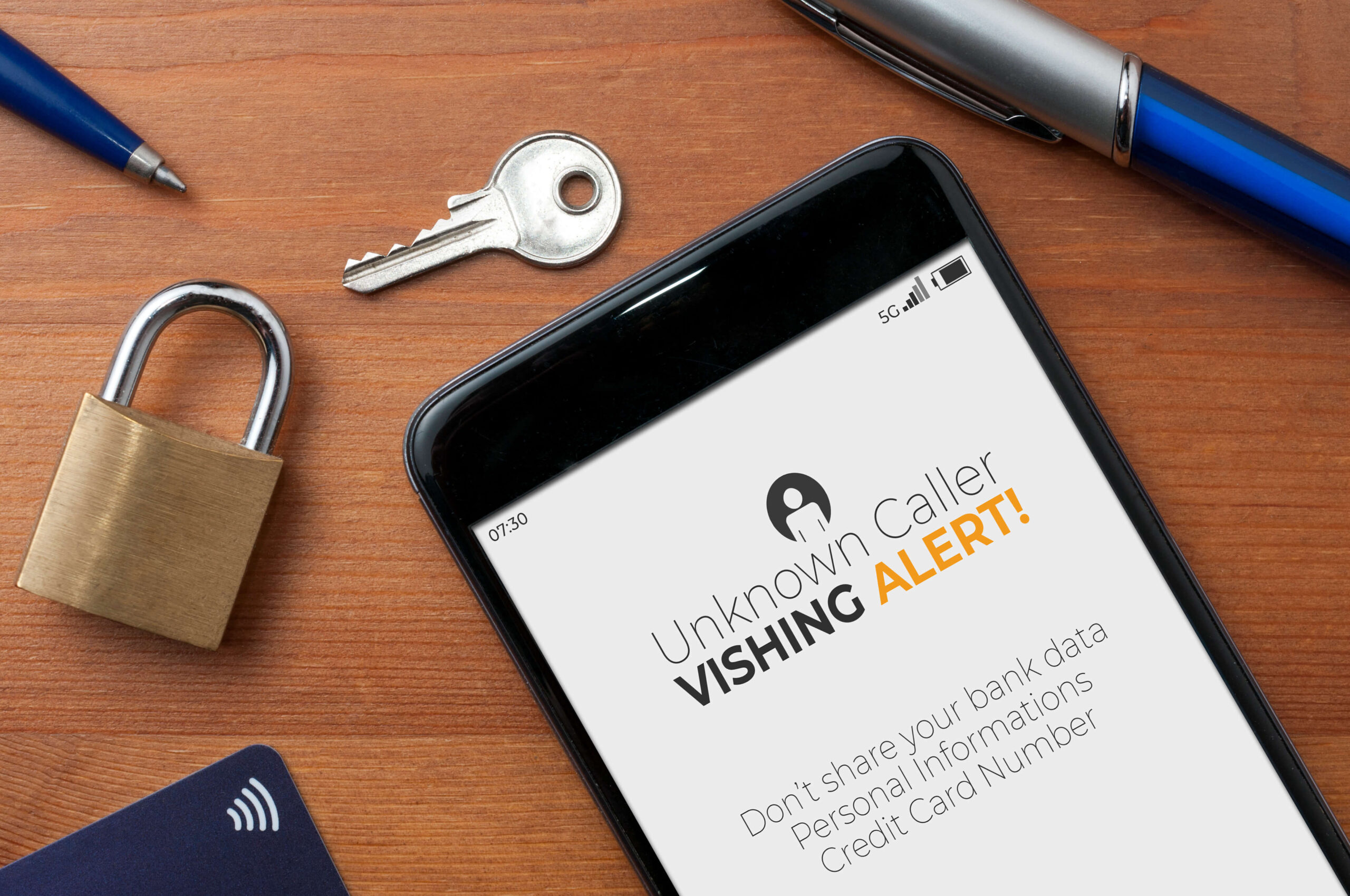
What is vishing?
Vishing, which is also known as voice phishing, is a type of scam where criminals try to obtain your personal information by calling you on the phone. They may pose as representatives from organizations like your bank or credit card company and try to get you to give them your account numbers, passwords, or other sensitive information.
In this article, we will discuss how to protect yourself from vishing scams. We will also provide tips for identifying vishing calls so that you can avoid becoming a victim.
Common Vishing Techniques
Wardialing
A computer-generated voice calls a certain area code, using a message that mentions a local bank, company, police department, or other local organization. The automated message begins when the call is received, instructing the individual to give their complete name, credit card information, bank account data, mailing address, and even social security numbers. The recorded message may indicate that this information is necessary to verify that the victim’s account has not been hacked or that valid account information has been entered.
VoIP
The term VoIP stands for Voice over Internet Protocol and is used to conduct scam calling through computer-generated voice messages that are relayed via the internet. These scams may be carried out by scammers in any country and are difficult to follow. They might use a 1-800 extension or claim to be from local area codes.
Caller ID Spoofing
Caller ID Spoofing is a technique used by scammers to make their phone number show up on your caller ID as someone else. They do this in order to try to get you to answer the call, because they know that you’re more likely to answer a call from someone you know than from a random number. This scam can be very costly, as the scammers will often try to get you to give them personal information or even money.
Dumpster Diving
Dumpster diving is when someone rummages through a trash can to find personal information that has been discarded. This could include anything from bank statements and credit card bills to Social Security numbers and medical records. Dumpster divers often target dumpsters at banks or office buildings (if accessible), and sell this information on the black market, where it can be used for identity theft or other types of fraud.
Common Vishing Themes
There are many types of vishing scams, but there are some common themes that you should be aware of.
“Compromised” Bank or Credit Card Account
The usage of stolen bank or credit card accounts is one of the most prevalent vishing strategies. Attackers will often call victims and pretend to be from their bank or credit card company. They may try to trick the victim into revealing personal information, such as their account number, social security number, or password.
Unsolicited Loan or Investment Offers
Another common theme of vishing is unsolicited loan or investment offers. Attackers may call victims and pose as representatives from a lending institution or investment firm. They may try to trick the victim into providing personal information, such as their credit score or bank account number.
IRS Tax Scam
One of the most common vishing scams is the IRS tax scam. In this scam, attackers pose as representatives from the Internal Revenue Service and try to trick victims into paying fake taxes. They may threaten victims with legal action if they do not pay the taxes.
Medicare or Social Security Scam
In this scam, attackers pose as representatives from Medicare or Social Security and try to trick victims into providing personal information, such as their social security number or bank account number.
How to Spot Vishing Scams
In today’s world, it is not uncommon to receive a phone call that you believe might be from your bank. The caller will typically have an authoritative tone and they may claim they are with your bank or even the government. However, this type of call is often part of a vishing scam and it can lead to identity theft if you give out your personal information.
Here are some tips to help you spot a vishing scam:
The caller may claim there is an issue with your account or that your debit card has been used fraudulently. They will ask for your account number, PIN, or other sensitive information in order to “verify” your identity.
The caller may also say there is a problem with your taxes and that you need to provide your Social Security number or other personal information.
Many scammers will try to tap into your sense of fear, using threats of arrest warrants and problems with your account. They may even threaten to sue you if you do not comply with their request. Remember that legitimate organizations will never ask for your personal information in this way, so if you receive a call like this, it is most likely a vishing scam.
How to Protect Yourself from Vishing
There are a few things you can do to protect yourself from vishing scams.
- First, join the National Do Not Call Registry.
- Be suspicious of unsolicited calls and emails, especially if they are asking for personal information.
- Even better, do not pick up the phone if you don’t recognize the number. Allow it to go to voicemail and see what it’s about before returning any calls.
- Don’t ever give out your personal information or credit card details over the phone or email unless you are absolutely sure of the source.
- Don’t press any buttons or respond to any automated messages.
- Hang up immediately if you suspect a vishing scam.
- Verify the caller’s identity. If the individual gives a call-back number, it’s possible that it’s part of the con — so don’t use it. Instead, look for the company’s official public phone number and contact the organization in question using that number.
What To Do If You Are a Victim of a Vishing Scam
If you have been the victim of a vishing scam, there are a few things you can do to protect yourself.
First, report the scam to the Federal Trade Commission (FTC) or the FBI’s Internet Crime Complaint Center.
Next, you should contact your bank or credit card company to report the fraud and close any accounts that have been compromised. You should also change your passwords for all online accounts, especially if you used the same password for multiple accounts.
If you gave out personal information, such as your Social Security number or date of birth, you should also contact the major credit bureaus and place a fraud alert on your credit report. This will make it harder for someone to open new accounts in your name.
You can also take steps to protect yourself from future scams by being aware of how vishing works and being careful about the information you share online. Be suspicious of unsolicited emails, even if they appear to be from a trusted source. Do not click on links or open attachments from unknown senders. And never give out personal information unless you are sure you are dealing with a legitimate website or company.
By following these steps, you can help protect yourself from vishing scams and other types of fraud.
There When You Need Us
Contact one of our Business Bankers if you have any more queries about how to secure your financial information or whether secured services are right for managing your accounts.
All the facts you’ll need to avoid fraud are included in our comprehensive Cybersecurity Awareness collection of articles and tools.